

Understanding Ductless Heating and Cooling Systems
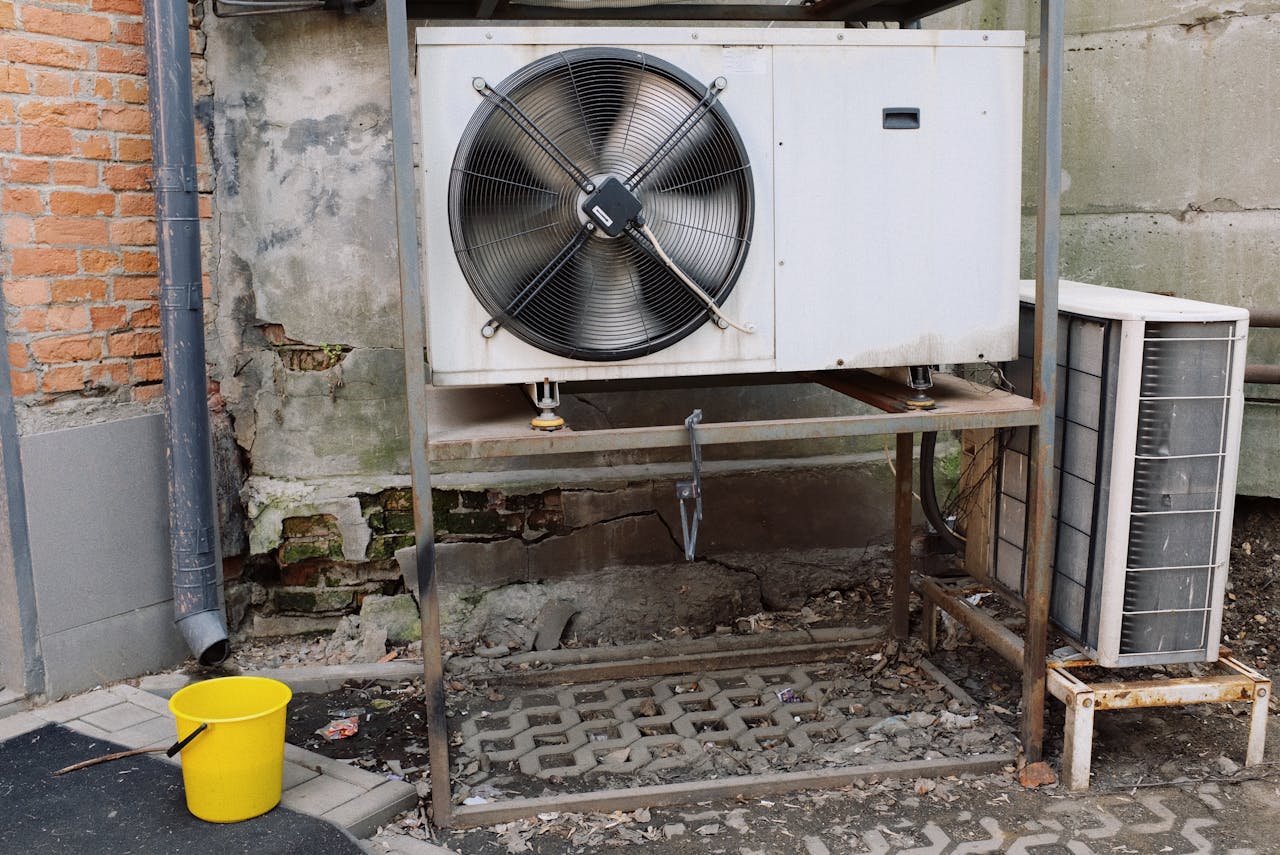
Modern HVAC solutions called ductless heating and cooling systems, also known as mini-split systems, are made to control indoor temperature without requiring a lot of ducting. These systems are made up of one or more interior air-handling units connected by refrigerant lines to an outdoor compressor unit. Ductless units are more efficient and versatile than standard central systems since they send air directly into designated zones. Their small size, silent functioning, and ease of installation are valued by homeowners. They are especially perfect for new additions where extending ducts would be prohibitive or for older homes without ducting. Ductless systems reduce energy loss and offer accurate temperature control by concentrating on localized climate control, which is why they are becoming a more and more popular option for contemporary homes.
How Ductless Systems Work
Ductless systems are far more efficient since they transfer heat instead of producing it. Refrigerant is compressed by the outside unit and sent to the indoor units via insulated connections. Depending on whether the system is in heating or cooling mode, these interior devices then either release or absorb heat. Heat is extracted from the indoor air and released outside during cooling. The process is reversed in heating mode, drawing heat from the outside air—even in freezing weather—and bringing it inside. Homeowners can choose different temperatures in different rooms because each indoor unit is separately regulated. One of the best features of the system is its zoning capabilities. Ductless systems use less energy and maintain constant temperatures by adjusting compressor speed thanks to sophisticated inverter technology.
Key Components of a Ductless System
A ductless heating and cooling system is made up of a number of crucial parts that function as a unit. The compressor and condenser, which control heat exchange and refrigerant flow, are located in the outside unit. Conditioned air is distributed throughout the living area using indoor air handlers, which are installed on walls, ceilings, or floors. The indoor and outdoor units are connected by refrigerant lines, and condensation is removed by a drain line. Additionally, customers can effortlessly change temperature settings with a smart thermostat or remote control. Additionally, some systems have sophisticated filtering capabilities that enhance indoor air quality by removing pollutants, dust, and allergies. Knowing these elements enables homeowners to make well-informed choices regarding installation, upkeep, and troubleshooting.
Benefits of Choosing Ductless Systems
Homeowners find ductless systems appealing due to their many benefits. Energy efficiency is one of the biggest advantages because ducting has no energy loss. Additionally, they offer customized comfort through zoning, which enables customers to adjust the temperature of particular regions as desired. Compared to conventional HVAC systems, installation is comparatively quick and minimally intrusive. Ductless systems are also well-known for operating quietly, which makes them appropriate for living areas, offices, and bedrooms. Another benefit is better indoor air quality because to integrated filtration systems. Because they use cutting-edge refrigerants and use less energy overall, these units are also environmentally beneficial. When combined, these advantages result in increased comfort and long-term cost savings.
Ideal Homes for Ductless Installation
Certain housing types and circumstances are especially well-suited for ductless systems. Since installing ducts may be costly and disruptive, older homes lacking ductwork are ideal candidates. Additionally, they are perfect for converted attics, garages, basements, and home extensions where expanding a central system is not feasible. Zoning allows each space to be regulated independently, which is advantageous for small flats and multi-family buildings. Additionally, ductless units can be used by homeowners to solve hot or cold spots in an existing HVAC system. Their effectiveness and usability are also advantageous for vacation homes and rental houses. All things considered, ductless systems offer a flexible solution for a variety of home requirements.
Energy Efficiency and Cost Savings
The energy efficiency of ductless systems is one of the strongest arguments for their selection. Leaks and inadequate insulation can cause traditional ducted systems to lose a lot of energy, while ductless units completely remove this problem. By ensuring that the system only consumes the energy required to maintain the correct temperature, inverter technology lowers the amount of electricity used. Even though installation may cost more up front, the long-term utility bill reductions frequently exceed the original outlay. To further cut expenses, many areas now provide incentives and rebates for energy-efficient technologies. Ductless systems help homeowners reduce their carbon footprint while maintaining constant comfort by using less energy and offering customized heating and cooling.
Installation Process and Considerations
Compared to standard HVAC systems, ductless system installation is typically faster and less intrusive. The procedure entails mounting indoor units, positioning the outdoor compressor, and joining them via a tiny refrigerant line hole in the wall. To guarantee appropriate sizing, positioning, and system performance, professional installation is strongly advised. When considering installation, homeowners should take layout, insulation, and space size into account. For the best airflow and performance, indoor units must be positioned correctly. In order to support the system, electrical requirements must also be evaluated. Collaborating with skilled professionals guarantees a safe and effective installation, extending the life and functionality of the system.
Maintenance Tips for Long-Term Performance
To keep a ductless system operating well, frequent maintenance is necessary. To maintain adequate airflow and indoor air quality, homeowners should clean or replace their air filters every few weeks. While the outside unit should be kept free of leaves and obstructions, the indoor units should be cleaned of dust and dirt. In order to check electrical connections, refrigerant levels, and overall system functioning, periodic expert maintenance is also advised. Maintaining the system’s cleanliness and upkeep increases its longevity and helps avoid malfunctions. Regular maintenance also guarantees that the system runs as efficiently as possible, saving energy and lowering electricity bills. The lifespan and dependability of ductless systems can be greatly increased with basic maintenance procedures.
Comparing Ductless and Central HVAC Systems
It’s crucial to weigh the distinct benefits of both central and ductless HVAC systems. For larger homes with pre-existing ducting, central systems are perfect because they offer consistent temperature management throughout the house. However, because of energy loss via ducts, they may be less effective. Conversely, ductless systems provide focused heating and cooling with less energy waste. In homes without ducts, they are more adaptable and simpler to install. Ductless systems frequently offer greater long-term savings and comfort, even though central systems may occasionally be less expensive up front. The decision ultimately comes down to the budget, the structure of the house, and the particular heating and cooling requirements.
Common Myths About Ductless Systems
Homeowners may be discouraged from selecting ductless heating and cooling systems due to a number of misunderstandings. They can efficiently heat and cool entire homes with many units, despite the widespread misconception that they are only appropriate for small rooms. Another myth is that they are costly to run, however their energy efficiency frequently leads to less electricity costs. Additionally, some people think that ductless systems are hard to maintain, although regular cleaning and the occasional expert service are generally adequate. Furthermore, since contemporary units are sleek and inconspicuous, aesthetic considerations are out of date. Homeowners can make better selections if they are aware of the truth behind these fallacies.
Smart Features and Modern Innovations
Many clever elements that improve efficiency and convenience are included in modern ductless systems. Numerous units are compatible with smart home systems, enabling customers to adjust temperature settings using voice commands or mobile apps. Cutting-edge sensors are able to identify whether a room is occupied and automatically modify settings to save energy. Additionally, some systems have programmed schedules that guarantee maximum comfort all day. By eliminating pollutants and allergens, improved filtering technology enhances indoor air quality. Furthermore, energy monitoring capabilities give homeowners information about usage trends, assisting them in making wise choices. Due to these advancements, ductless systems are now very user-friendly and efficient, meeting the increasing need for smart home solutions.
Choosing the Right Ductless System for Your Home
A number of criteria must be carefully considered before choosing a ductless system. Homeowners should assess their space’s dimensions, the number of rooms, and their unique heating and cooling requirements. To guarantee effective functioning and prevent overloading the system, selecting the appropriate capacity is essential. The quantity of indoor units needed for appropriate zoning must also be taken into account. It’s also important to consider warranty coverage, brand repute, and energy efficiency ratings. HVAC specialists can offer insightful advice that is specific to the layout of the house. Homeowners may benefit from dependable performance, energy savings, and long-term comfort from their ductless heating and cooling system by making an informed decision.